

8 Tips for Making Perfect Pies
Bake the perfect pie every time! Here are my favorite EASY tips for fixing 8 of the most common pie baking mistakes— like preventing pie dough from sticking to your counter, knowing when a pie is done, preventing a soggy bottom crust or runny pie filling, and more.

Few kitchen flops are as frustrating as a pie that doesn’t quite turn out the way you want. We’ve all been there!
I’ve baked many, many pies over the years and it’s true what they say— practice makes perfect. Over time I’ve learned lots of tips and tricks to making the perfect pie, from rolling out the dough, to fixing a soggy crust, to knowing when the pie is fully baked. There’s nothing complicated or difficult here, just lots of little things I’ve picked up through trial and error that make all the difference! Whether you’re baking your first pie or consider yourself a pro, I hope you’ll learn from my best tried-and-true tips for baking perfect pies.
Note: This post contains affiliate links.
What are the most frustrating issues when baking a pie?
I posed this question to my Facebook group and with hundreds of responses, these are the 8 problems that frustrated home bakers the most:
- Pie dough that cracks as you roll it out
- Pie dough that sticks to your counter while rolling it out
- Transferring pie dough from your counter to the pie dish
- Pie crust that shrinks or slumps down the sides of the pan
- Knowing when a pie is done baking
- Crust that burns or browns too quickly before the rest of the pie is done
- Pie with a soggy bottom crust
- A runny pie filling once you slice into it
So these are the exact issues we will be covering in this article! Let’s get started, shall we?

Preventing cracked pie dough
A crumbly or cracked pie crust can be frustrating to roll out and transfer to your pie dish.
Tips to keep the pie dough from cracking:
- Make sure to add enough liquid to the dough. It should be just wet enough that you can work the dough into a ball with your hands. A few loose crumbs are okay, but all of the dry ingredients should be incorporated.
- Let dough sit at room temperature for 10 minutes to loosen up a bit for easy rolling.
- Repair any cracks with moist fingers to get dough to stick together, then sprinkle with flour and continue rolling.

Keep pie dough from sticking to the counter
A sticky crust is not only difficult to work with, and may rip or tear when you try to move it, but it can also be a sign that the dough is too wet and the baked crust may be tough instead of flaky and tender.
How to keep pie dough from sticking to the counter as you roll it out:
- Use just enough liquid while making your dough to get it to come together. Add it in small amounts at a time to make sure you don’t add more liquid than you need.
- Add plenty of flour to your work surface, pie crust, and rolling pin while you are rolling out the dough. I like to keep a little bowl of flour handy on the table while I’m working.
- Lift and rotate the dough with your hands as you roll. (This is one of my favorite tricks!) I like to keep my dough moving so I can ensure there’s no sticking.
- Use a bench scraper to easily and gently loosen any dough that sticks.

Easily transferring pie dough into a pie dish
Moving your rolled pie crust to the pie pan can be tricky, and if not done carefully you can stretch and tear the dough. But once you know these tips it’s quite easy!
2 ways to transfer rolled out pie dough:
- Place your rolling pin on top of your rolled out pie crust, near one of the edges. Use your hands to roll the dough up onto the rolling pin. Place the rolling pin at the edge of your pie dish and unroll.
- Fold the dough into quarters. Use both hands to transfer it to the pie dish and unfold.

Keep pie crust from shrinking in the oven
This is typically a problem only when you need to partially bake (par-bake or blind bake) a pie crust before filling and baking the rest of the way, as with a pumpkin pie. Or, when you need to completely bake a pie crust before adding a no-bake filling, as with a banana cream pie. Without a filling to hold the sides up, often the pie crust slips down the edges and shrinks as it bakes.
Take these steps prevent pie crust from shrinking:
- Freeze dough in the pie dish for 30 minutes.
- Line the crust with greased foil pressed flat against the dough. Fill with pie weights, dried rice, or dried beans.
- Bake for 30 minutes.
- Lift foil and weights out of the pan and bake until the bottom of the crust appears set, about 5-10 minutes more.
For more instructions and photos, see my complete tutorial on how to blind bake a pie crust.

How to know when a pie is done
Since pies generally bake for such a long time (usually around 45-60 minutes), it’s easy to get anxious and pull a pie from the oven before it’s ready, or leave it in for too long “just to be sure”. To know if a pie is done you need to look at both the crust and the filling.
How to know when a pie is done:
- If you’re baking a fruit-filled pie like an apple pie, the pie is done when the filling bubbles. This indicates that the thickening agent (usually flour or cornstarch) has been activated and once cooled, your pie filling will set properly.
- Egg or custard-based pies like pumpkin or pecan pie are done when the edges of the pie appear fully set and the center barely jiggles when gently shaken. The center will become firm once the pie has cooled.
- Fully baked pies should also have a nice golden crust.

Don’t let pie crust burn
A pie crust may brown too soon, before the filling has finished baking. If you pull the pie from the oven too soon the filling will be under-baked and won’t set. And if you continue to bake the pie, the crust may burn.
When the pie crust is browning too quickly, try this:
- If the whole top crust or topping is golden brown but the filling is not done, cover the whole pie with a sheet of foil and continue to bake.
- If just the edges of the pie are baking more quickly then the rest, cover just the edges. Fold a sheet of foil in quarters and cut out the center point so that when you unfold it, it makes a circular hole. Place on top of the pie so that the center of the pie is exposed through the hole but the edges are covered, and continue to bake. You can also use a pie crust shield.

Preventing a soggy bottom pie crust
Gummy, soggy, or under-baked pie crusts can ruin an otherwise lovely pie. Thankfully, it’s preventable!
Tips for keeping pie crust from getting soggy:
- Don’t fill pie crust and assemble the pie until you’re ready to bake. Make sure the oven is preheated and if you’re covering the pie with a second crust, have it rolled out and ready to go. This will reduce the chance of the liquid in the filling gumming up the crust under it.
- If baking a pie with a liquid filling, such as a pumpkin pie, it helps to blind bake the crust first before pouring in the liquid filling.
- Bake on the bottom rack in the oven, or move the pie down once the topping is golden.
- Use a pie dish that conducts heat well to promote even baking, such as a metal pie dish or ceramic pie dish.

Make sure you don’t have a runny pie filling
No one wants to eat pie soup! And it’s such a bummer to slice into a pie only to realize the filling didn’t actually set up properly. This makes for messy slices and often a soggy crust too.
How to prevent a runny pie filling:
- Make sure to follow the recipe instructions completely as written! Messing with the amount of flour, cornstarch, etc. called for will prevent it from thickening properly, and changing other ingredient amount such as sugar will also affect texture and how it sets up.
- If you’d like to use a different ingredient than what’s listed in the recipe (like honey for corn syrup, or tapioca for cornstarch), try to find a tested recipe elsewhere online using that ingredient instead of guessing on your own.
- Wait until pie is completely cool before cutting. Waiting is hard, I know! But a cooled pie will produce prettier slices. Speed up the process by sticking it in the fridge for an hour or so. If you want to serve a warm pie, let it cool and then re-warm it in a 350°F oven covered with foil for about 30 minutes.
More pie resources
- How to make foolproof flaky pie crust
- How to blind bake pie crust
- How to make pie crust in the food processor
- How to prep and store pie crust in advance
- My favorite pie tools
Pie recipes
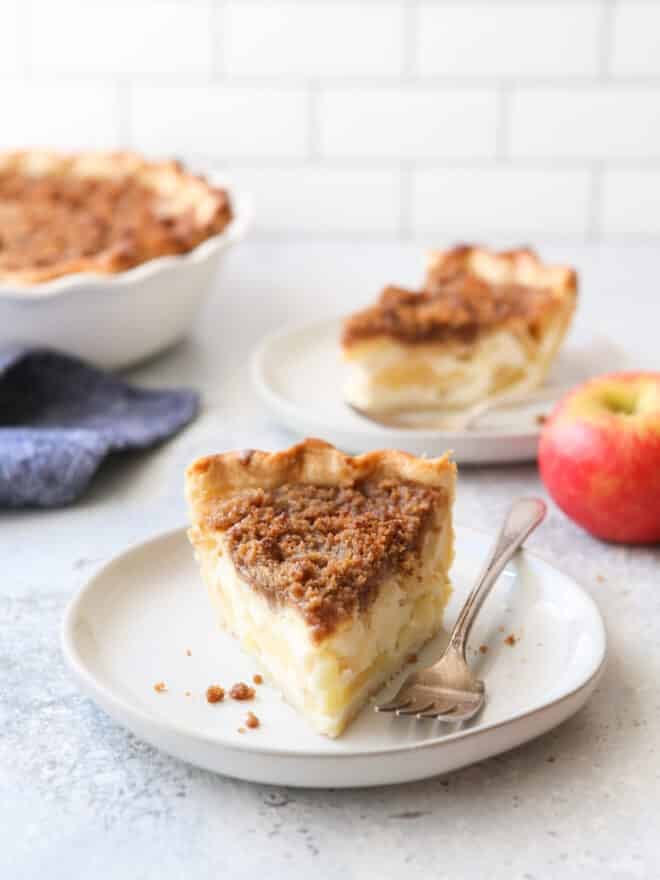
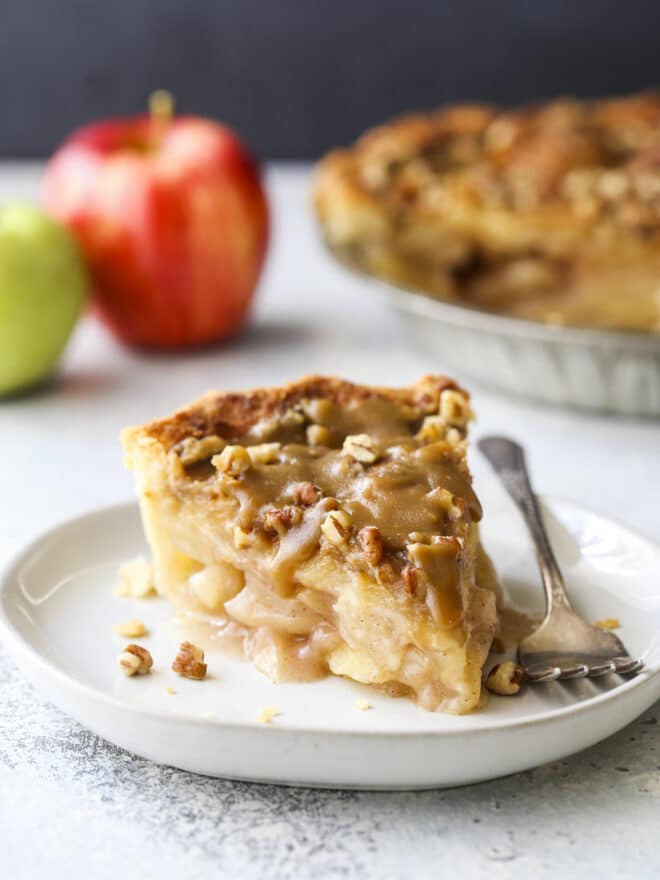
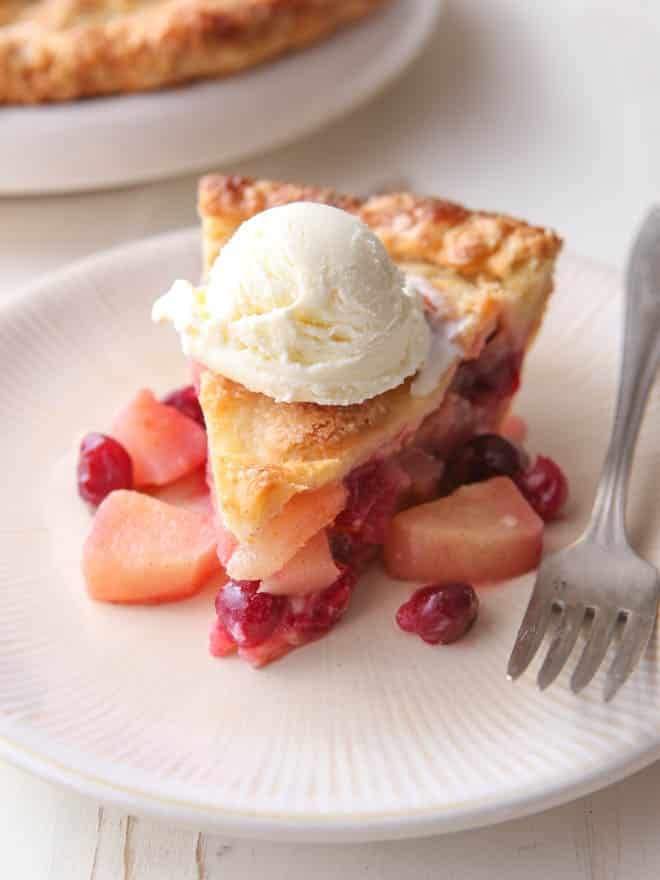
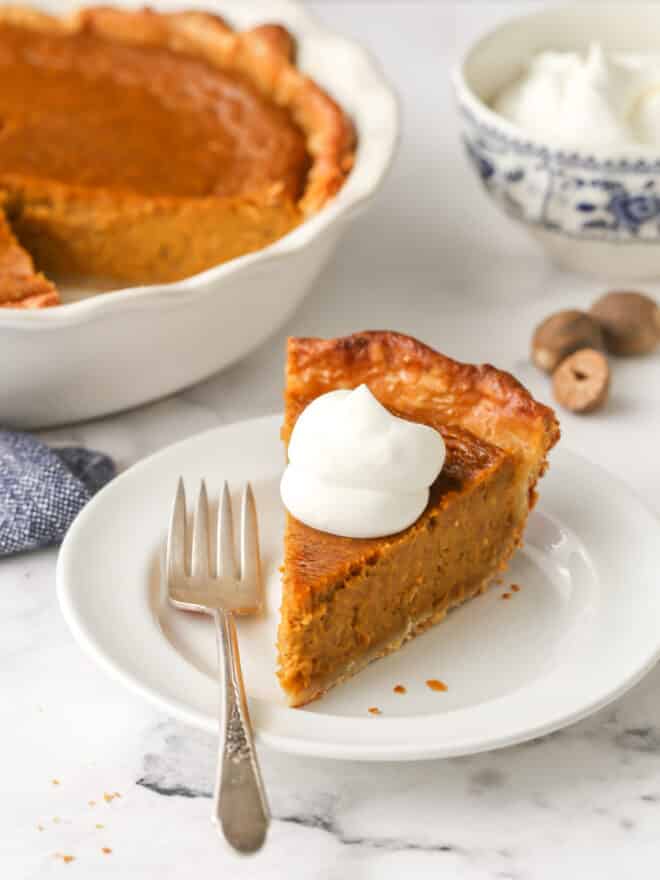

My God, how delicious! I can’t cook at all. All my attempts end up with spoiled food, burnt hands and ordering pizza.
But I am good in programming help.
How do you prevent the butter from bubbling out of the pie crust? I do follow all directions for refrigerating the dough as directed. Still the butter oozes out of the crusts. I have resorted to using half butter and half shortening which gives a really flaky crust but would rather use all butter. Help!
Thanks! https://www.google.com/
Looks great, thank so much! (https://www.euroweeklynews.com)
Great, thanks for sharing this, you really helped me!
nice!
Looks delicious. I decided to take some time off the university as I was tired writing essays and etc. I just want to spend some time cooking with my BF I found a service which helps me with homework ( https://edubirdie.com/ ) Now I have a lot of time to do what I want to and I’m happy !
You have creative hands and minds of great food, really the recipes you share I feel very delicious and beautiful
It is wonderful to be here with everyone, I have a lot of knowledge from what you share, to say thank you, the information and knowledge here helps me a lot